


When Is the Best Time to Visit Europe?
A Season by Season Guide to Planning Your Perfect European Holiday
Welcome to the art of timing your perfect European holiday. Choosing the best time to visit Europe is about more than just picking dates on a calendar. It is about unlocking the right atmosphere, the right pace, and the kind of experience that truly stays with you.
From sunlit summer evenings along the Mediterranean to crisp autumn walks through historic cities, and from festive winter markets to the fresh bloom of spring, Europe transforms beautifully throughout the year. Each season offers something different, and knowing when to go can make all the difference to your journey.
Whether you are dreaming of iconic cities, scenic landscapes, or immersive cultural experiences, this guide will help you understand exactly when Europe shines brightest. At Bressenden Travel, we take the time to match you with the right season, ensuring your journey is as seamless, enjoyable and rewarding as possible.
Jump to:
- Why Timing Matters for Your Europe Trip
- Europe by Season: Spring, Summer, Autumn and Winter Guide
- Key Factors to Consider When Planning Your Trip
- When Is the Right Time to Travel to Europe?
- Frequently Asked Questions
- Plan Your European Holiday with Bressenden Travel
- Ways to Experience Europe
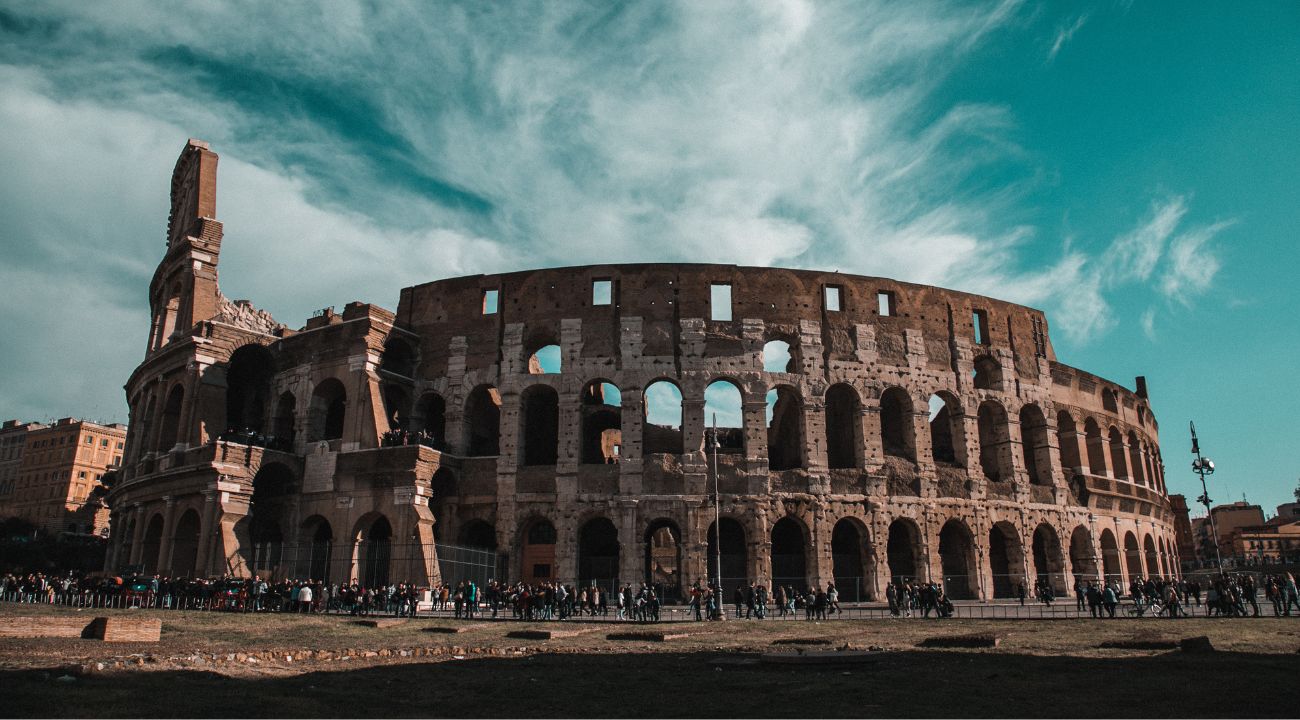
The iconic Colosseum in Rome, a must-see highlight of any Italian holiday at any time.
Why Timing Your European Trip Matters
Choosing the ideal time to visit Europe can shape your entire travel experience. The same destination can feel completely different depending on when you go, from the atmosphere in the streets to the activities available.
Getting the timing right means you can enjoy Europe in a way that feels more comfortable, more rewarding, and better suited to your personal travel style.
Weather
Weather plays a major role in how you experience Europe. In summer, you can expect warm, sunny days that are ideal for exploring cities or relaxing along the coast. In contrast, winter brings colder temperatures, shorter days, and often a very different atmosphere.
Spring and autumn often offer the most balanced conditions. You will usually find mild temperatures that make sightseeing more enjoyable without the extremes of peak summer heat or winter chill.
Crowds
Europe is one of the world’s most popular travel destinations, and timing can make a big difference to how busy your trip feels.
During peak summer months, famous landmarks and major cities can become crowded. This can mean longer queues and busier streets, especially in iconic destinations.
Travelling in shoulder seasons, such as spring or autumn, often allows for a more relaxed experience. You can explore at your own pace and enjoy a more authentic feel in many destinations.
Pricing
The time of year you travel can also affect the overall cost of your holiday.
Peak seasons, particularly summer and major holiday periods, tend to come with higher prices for flights, accommodation and tours. This is when demand is at its highest.
Travelling during quieter months can often provide better value, with more competitive pricing and greater availability. This can make a noticeable difference, especially on longer or more luxurious itineraries.
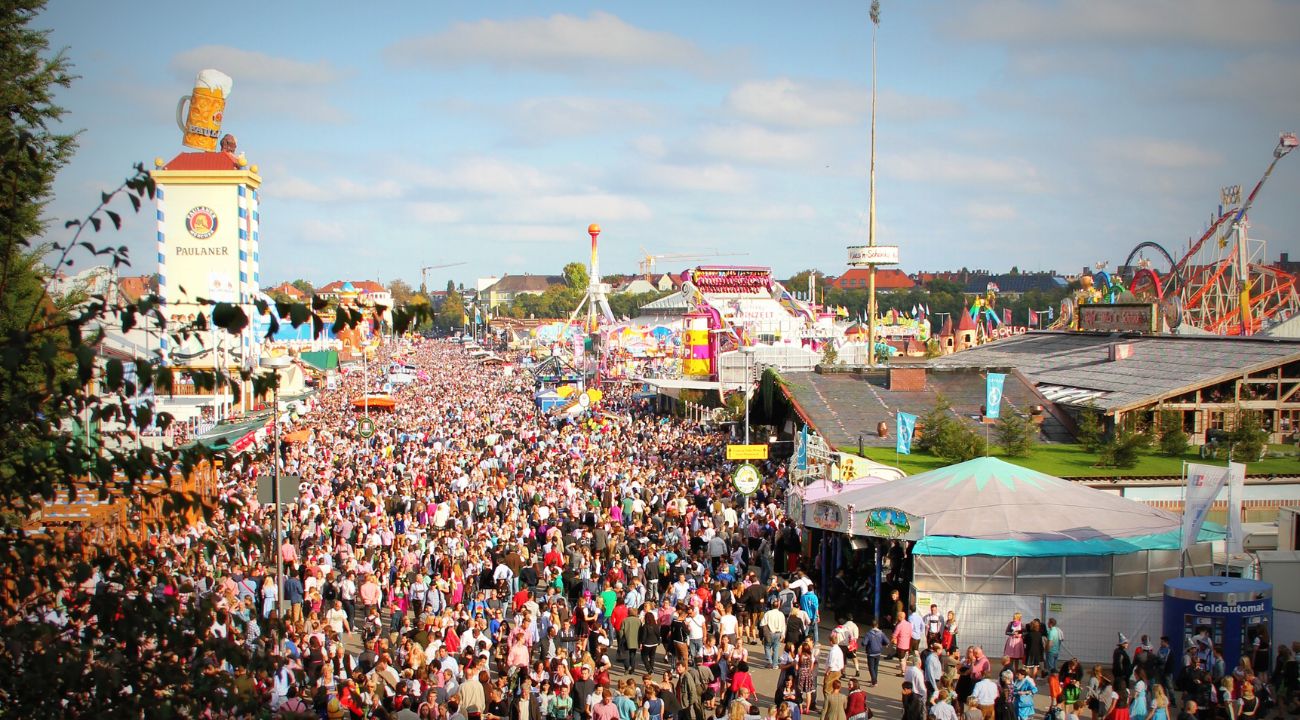
Experience the energy, music, and traditions of Oktoberfest in Germany.
Experiences and Events
Europe offers a wide range of seasonal experiences that can only be enjoyed at certain times of the year.
- Summer brings outdoor festivals, long evenings, and lively coastal destinations
- Autumn is known for harvest seasons, wine regions, and beautiful natural scenery
- Winter offers festive Christmas markets and snow-filled landscapes
- Spring showcases blooming gardens and fewer crowds in cultural hotspots
Timing your trip well allows you to align your journey with these unique experiences, making your visit more memorable and meaningful.
By carefully considering these factors, you can choose the right time to visit based on what matters most to you. Whether that is perfect weather, fewer crowds, better value, or specific seasonal experiences, the right timing can elevate your entire trip.
At Bressenden Travel, we tailor every journey to suit your preferred season, travel style, and expectations. Ensuring a seamless experience from start to finish.
Europe by Season: What to Expect
Europe changes beautifully throughout the year, and each season offers its own atmosphere, pace, and style of travel. Understanding these differences is key when deciding the right time for a European holiday.
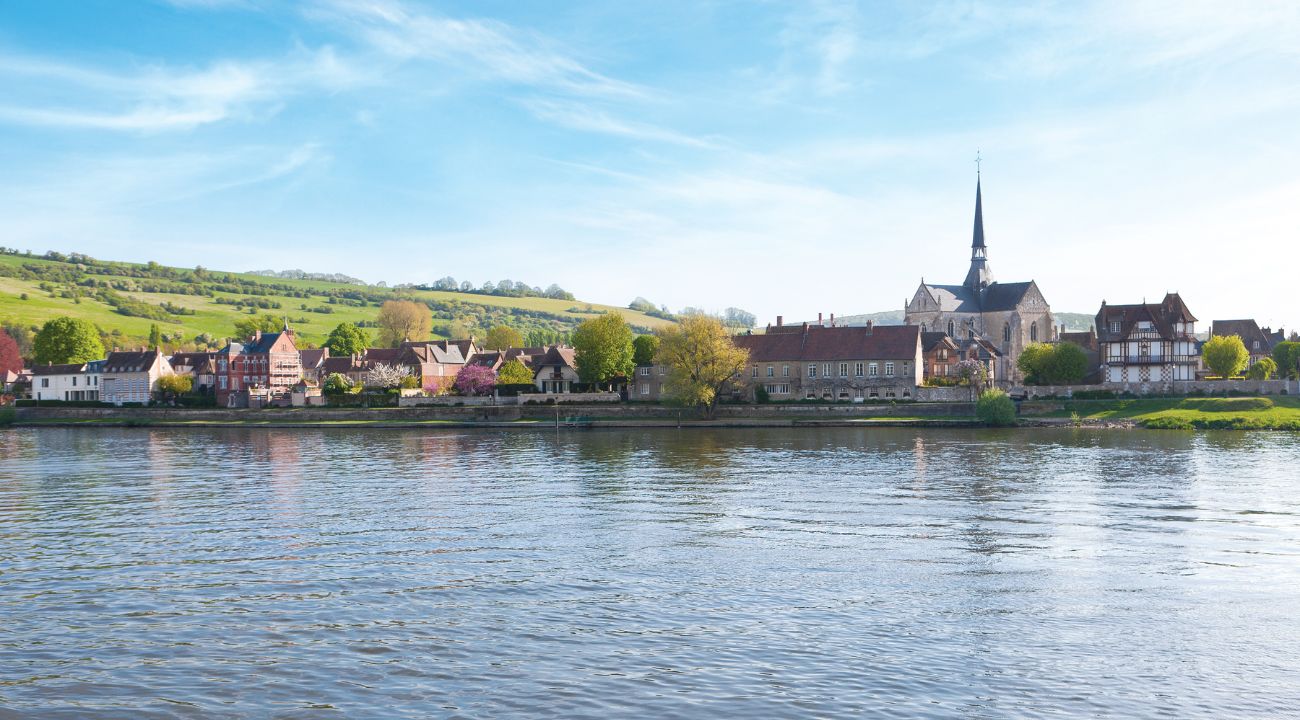
Normandy in spring brings fresh landscapes, colourful blooms, and peaceful scenery.
Spring
Spring is one of the most enjoyable times to explore Europe. The weather begins to warm, flowers bloom across cities and countryside, and popular destinations feel more relaxed before the summer rush.
Key highlights:
- Mild and comfortable temperatures
- Fewer crowds at major attractions
- Gardens, parks, and countryside in full bloom
- Ideal conditions for sightseeing and walking tours
Best for:
Spring is perfect for travellers who want a balance of good weather and quieter surroundings. It is especially suited to cultural city breaks, guided tours, and scenic journeys through historic regions.
Example:
For a truly memorable spring escape, a river cruise through Paris and Normandy offers the perfect blend of culture, scenery, and relaxation. As the landscapes come to life with fresh greenery and blooming gardens, you can explore charming riverside towns, historic landmarks, and the elegance of Paris at a gentle pace. Find out more about our Paris & Normandy river cruise journeys.
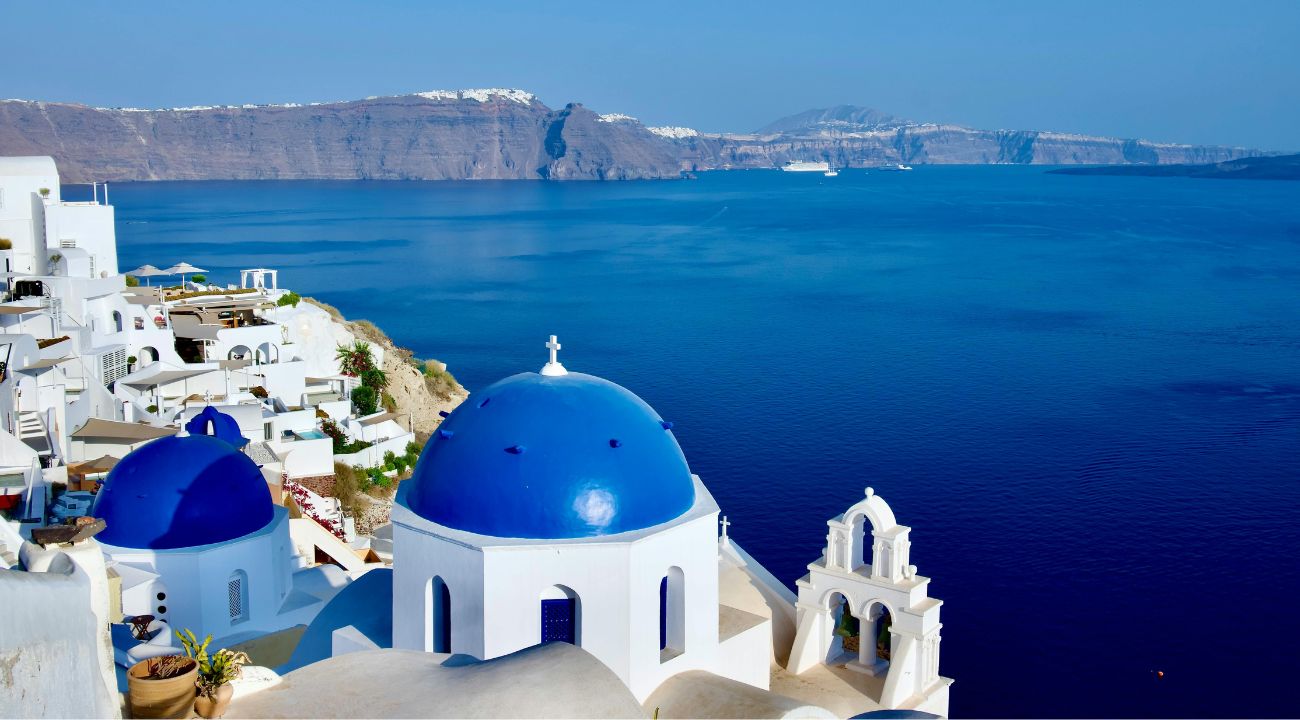
The stunning Greek islands offer sun, sea, and iconic coastal views.
Summer
Summer is the most popular time to travel in Europe, offering long days, warm weather, and a vibrant atmosphere across the continent. Cities come alive, coastal regions are at their best, and there is a lively energy wherever you go.
Highlights and considerations:
- Warm to hot temperatures across most regions
- Long daylight hours for sightseeing and excursions
- Lively atmosphere with festivals and outdoor events
- Busier attractions and higher demand for accommodation
Best for:
Summer suits travellers looking for classic European experiences, beach holidays, and lively city breaks. It is ideal for first-time visitors who want to see Europe at its most iconic.
Example:
Summer is the ideal time to experience the Greek Islands at their most vibrant, with a guided island-hopping journey showcasing crystal-clear waters, whitewashed villages, and sun-soaked coastlines. With long days and warm evenings, this is a classic European summer experience. Discover more about our Greek Islands tours and what they include.

The Dolomites in autumn showcase stunning colours across one of Italy’s most dramatic landscapes.
Autumn
Autumn is often considered one of the most rewarding times to travel. The weather remains pleasant, the summer crowds begin to fade, and many destinations take on a warm, golden tone.
Key highlights:
- Comfortable temperatures for exploring
- Fewer crowds compared to summer
- Beautiful seasonal colours in countryside and cities
- Wine regions and harvest experiences
Best for:
Autumn is ideal for travellers who want a more relaxed pace. It is particularly well suited to food and wine experiences, scenic tours, and cultural travel without peak-season crowds.
Example:
Autumn is one of the most rewarding times to explore Italy, when the summer crowds ease and the landscapes take on warm, golden tones. A carefully planned tour through regions such as Tuscany, Venice, and Rome allows you to enjoy rich culture, beautiful scenery, and exceptional food and wine. Learn more about our Italy tours and seasonal itineraries.
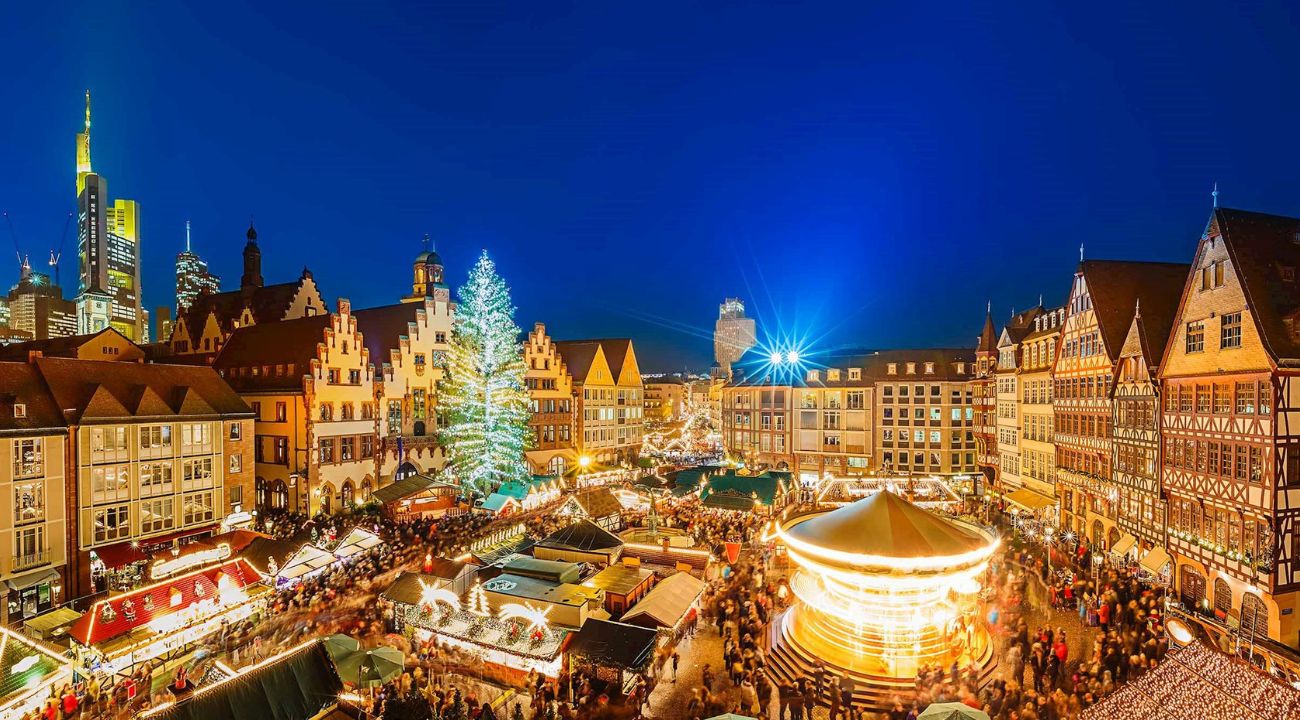
Germany’s Christmas markets create a magical winter atmosphere filled with lights, food, and festive charm.
Winter
Winter transforms Europe into a completely different experience. From festive markets to snow-covered landscapes, it offers a magical atmosphere that is unlike any other season.
Highlights and considerations:
- Christmas markets in cities across Europe
- Opportunities for skiing and winter sports
- Unique winter scenery and experiences
- Shorter daylight hours and colder temperatures
Best for:
Winter is perfect for travellers looking for festive charm, winter sports, or a quieter experience in major cities. It is also a great time to experience Europe in a more atmospheric and unique way.
Example:
Winter brings a magical atmosphere to Europe, and a Christmas markets river cruise through Germany offers a wonderful way to experience it. Travelling along the Rhine, you can visit festive towns filled with twinkling lights, traditional markets and seasonal treats. Explore our Christmas markets river cruise for more details.
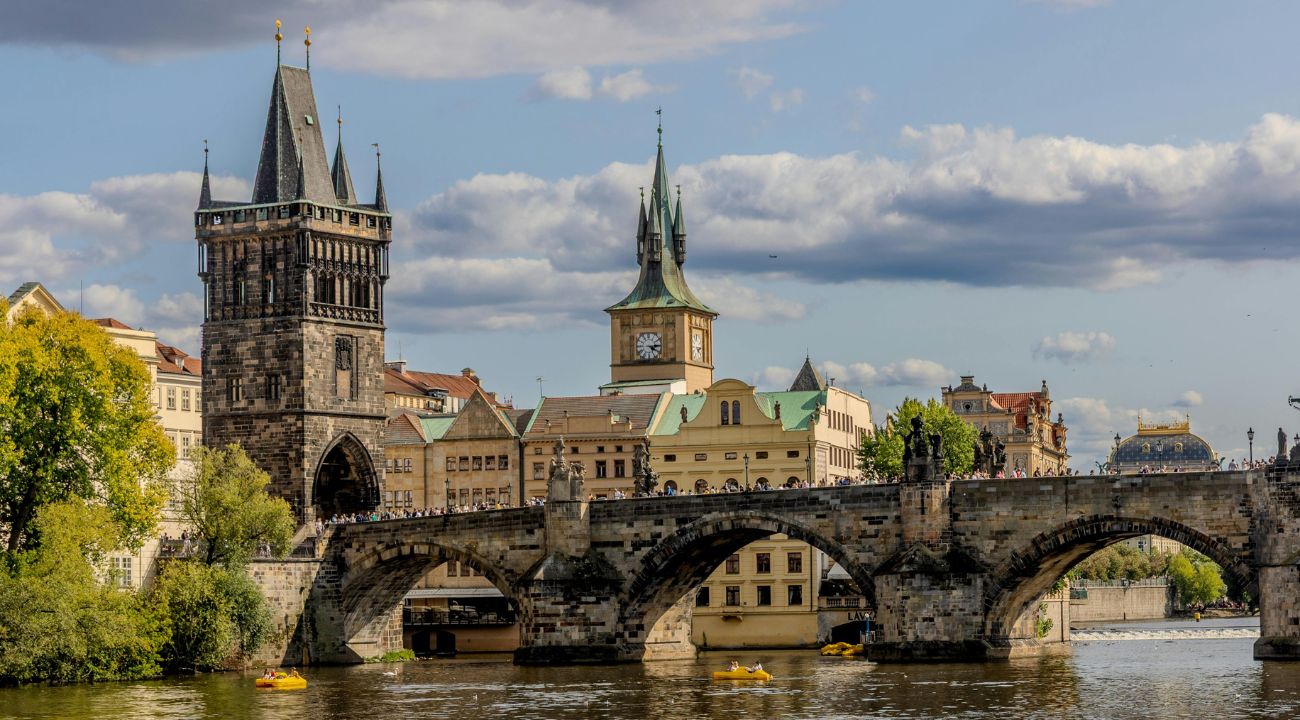
Explore the charm of Prague, a city known for its stunning architecture and rich history.
Comparing the Best Times to Visit Europe
When deciding when to travel to Europe, it helps to see the seasons side by side. Each time of year offers a different balance of weather, crowds, and overall experience. This comparison makes it easier to match your travel style with the right season.
| Season | Weather | Crowds | Price Level | Best For |
|---|---|---|---|---|
| Spring | Mild and fresh | Moderate | Medium | Sightseeing, gardens, cultural tours |
| Summer | Warm to hot | High | High | Beaches, festivals, iconic cities |
| Autumn | Mild and crisp | Moderate to low | Medium | Wine regions, scenic travel, culture |
| Winter | Cold, sometimes snowy | Low | Low to medium | Christmas markets, skiing, quiet city breaks |
This table is designed to help you quickly narrow down your options based on what matters most to you:
- If you prefer fewer crowds, spring and autumn are usually the best choice
- If you want the warmest weather, summer is ideal
- If you are looking for value, winter often offers the lowest prices
- If you want a balance of everything, spring and autumn are the most consistent options
This simple comparison makes it easier to see that there is no one answer to when you should plan a trip to Europe. Instead, it depends entirely on the kind of experience you want to have.

Experience the magic of the Northern Lights dancing across Iceland’s dramatic winter skies.
How to Choose the Best Time to Visit Europe
Choosing the most suitable time to travel to Europe depends on the kind of experience you want to have. Rather than focusing on a single “perfect” season, it is more helpful to match your travel style with the conditions that suit you best.
Here is a simple way to decide.
If you want the best weather
Late spring and early autumn are often the most reliable choices. Temperatures are generally mild, and conditions are comfortable for exploring both cities and countryside.
These periods allow you to enjoy Europe without the extremes of summer heat or winter cold, making them ideal for sightseeing and guided tours.
If you want fewer crowds
Spring and autumn are the best options if you prefer a more relaxed pace. Attractions are easier to access, and popular destinations feel less crowded than during peak summer.
This can make your experience more enjoyable, especially in major cities and well-known landmarks.
If you want the best value
Winter, excluding the Christmas and New Year period, is often the most budget-friendly time to travel. Prices for flights and accommodation are typically lower, and availability is higher.
This makes winter a great option if you want to experience Europe in a more cost-effective way without compromising on quality.
If you want a classic European experience
Summer is the most vibrant time to visit. You will find lively cities, long days, outdoor dining, and a full calendar of events and festivals.
It is the ideal season for first-time visitors who want to see Europe at its most iconic and energetic.
If you want something unique
Winter offers a completely different side of Europe. From festive Christmas markets to snow-covered landscapes, it provides experiences you simply cannot get at other times of the year. For those looking to experience something truly unforgettable, a Northern Lights tour in Iceland offers the chance to witness one of nature’s most spectacular displays under clear Arctic skies.
This season is perfect if you are looking for atmosphere, charm, and something a little out of the ordinary.
By thinking about what matters most to you, it becomes much easier to decide on when you should visit. The right choice will always depend on your priorities, whether that is weather, budget, crowd levels, or the type of experiences you want to enjoy.
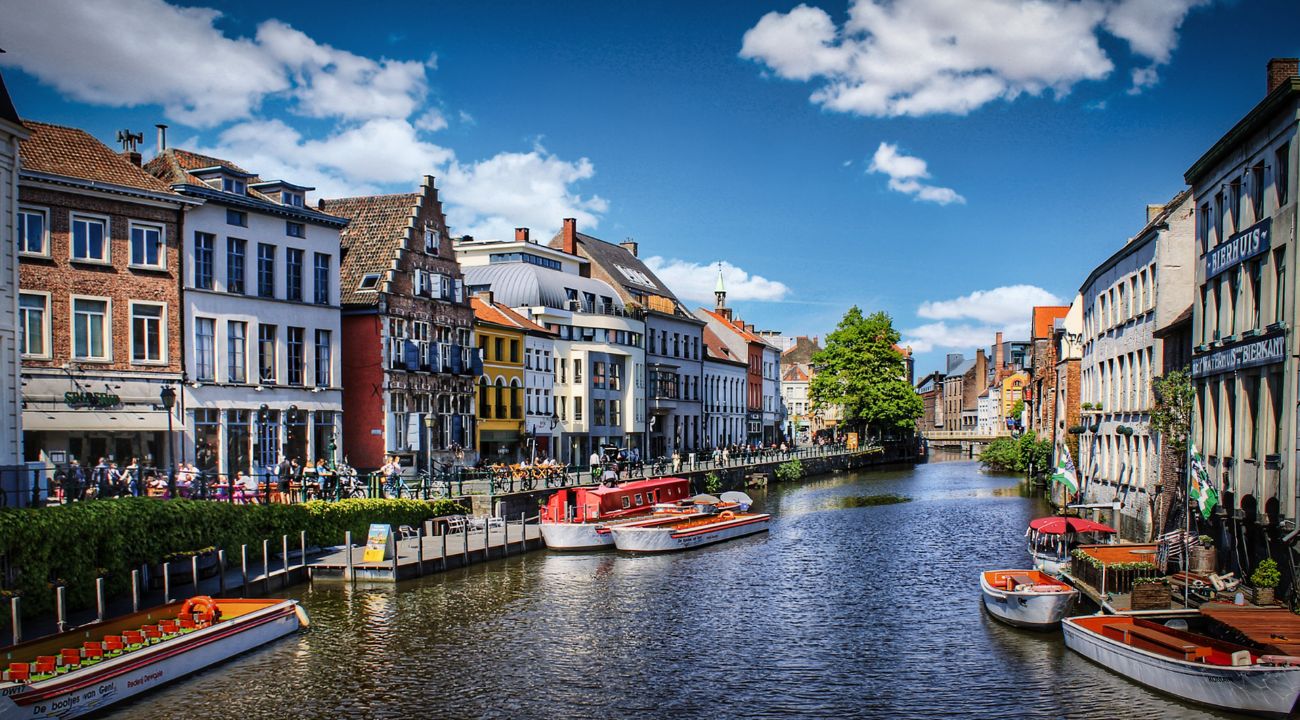
Explore Ghent’s beautiful canals and medieval architecture in the heart of Belgium.
Key Factors to Consider
There are a few important factors that can shape your overall experience when considering your European trip. Thinking about these in advance will help you choose a time that feels right for your travel style, expectations, and budget.
Budget
Your travel budget can vary significantly depending on the time of year you choose to travel.
Peak seasons, particularly summer and major holiday periods, tend to have higher prices due to increased demand. Flights, hotels, and tours are often more expensive, and availability can be limited if booking late.
Travelling during quieter periods, such as late autumn or winter, can often provide better value. You may find more competitive pricing, along with a wider choice of accommodation and travel options.
Destinations
Different regions of Europe are best experienced at different times of the year, but many travellers also choose to explore multiple countries in a single journey. Our multi-country itineraries, such as the European Experience, are designed to showcase a variety of destinations in one seamless trip, allowing you to enjoy the highlights of Europe without the need to plan complex logistics yourself. These carefully curated tours are a great way to experience contrasting cultures, landscapes, and cities within one well-balanced itinerary.
Southern Europe, including destinations such as Italy, Spain, and Greece, is often most enjoyable in spring and autumn when temperatures are comfortable.
Northern Europe, including countries like Norway and Sweden, is particularly beautiful in summer when the days are long and the weather is at its best.
Mountain regions such as the Alps are popular in winter for skiing and snow-based activities, offering a completely different travel experience.
Travel Style
If you enjoy a slower pace with fewer crowds, shoulder seasons such as spring and autumn are often ideal. These periods allow for more relaxed sightseeing and a more personal experience. Our rail journeys and river cruises are particularly popular at these times. If you are considering different ways to experience Europe throughout the year, our guide to European river cruises shows how routes, regions and landscapes change across each season.
If you prefer lively cities, events, and a vibrant atmosphere, summer offers the most energy and activity across Europe.
If you are looking for something more peaceful or atmospheric, winter can provide a quieter and more reflective travel experience.
By considering your budget, your chosen destinations, and your personal travel style, you can narrow down the best time based on your individual needs. This ensures your journey feels tailored, comfortable, and truly enjoyable from start to finish.
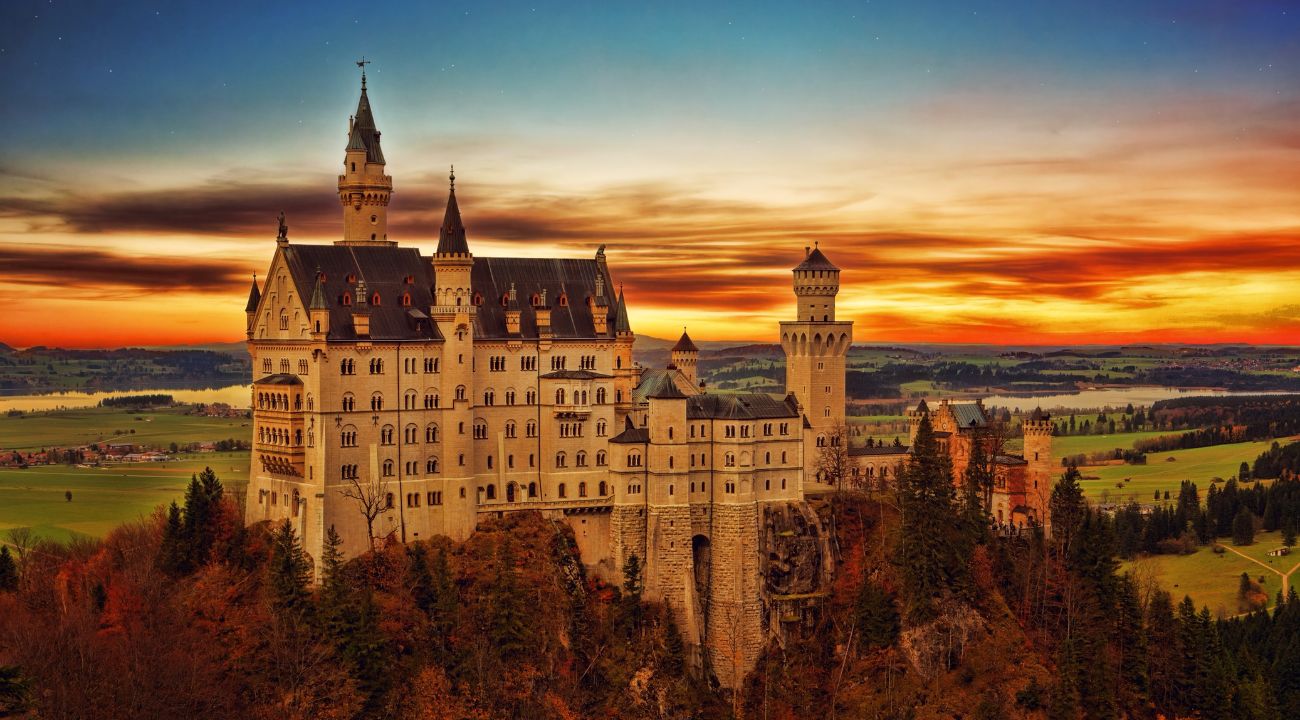
Neuschwanstein Castle is one of Europe’s most iconic fairytale landmarks.
When Is the Right Time to Travel to Europe?
While the right season for your Europe holiday ultimately depends on your personal travel style, there are two periods that consistently offer an excellent overall experience.
Late spring, particularly May and early June, is one of the most rewarding times to travel. The weather is generally warm and pleasant, the landscapes are in full bloom, and many destinations are still relatively calm before the peak summer rush. This makes it an ideal time for sightseeing, cultural exploration, and guided tours.
Early autumn, from September through October, is another outstanding choice. The summer crowds begin to ease, the temperatures remain comfortable, and many regions take on a rich seasonal character. It is also a great time for food and wine experiences, scenic journeys, and relaxed travel.
Both of these periods offer a strong balance of:
- Comfortable weather
- Fewer crowds
- Good overall value
- Excellent conditions for exploring
That said, summer also remains a fantastic option, particularly if you are looking for beach holidays along Europe’s coastlines or planning your trip around school holidays. The long days, warm weather, and lively atmosphere make it ideal for families and anyone wanting a classic summer getaway.
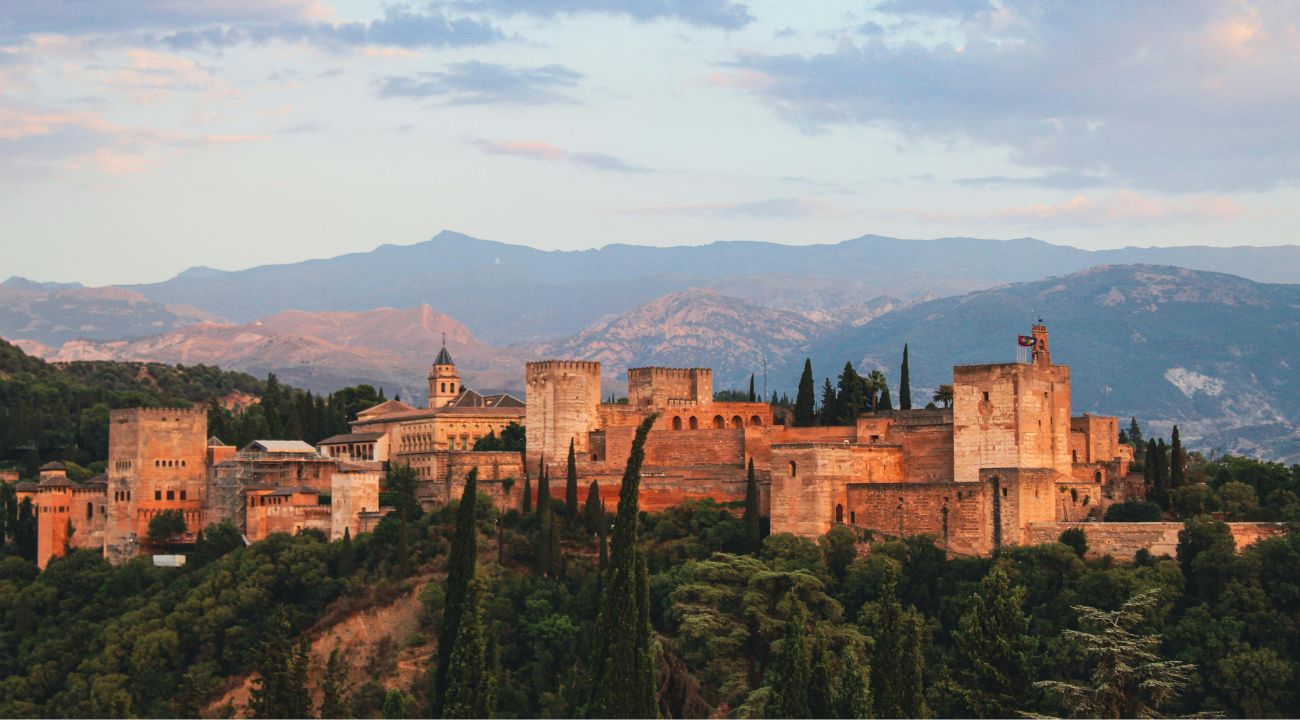
The Alhambra in Granada showcases Spain’s rich Moorish history and stunning architecture.
Frequently Asked Questions
This section answers some of the most common questions travellers ask when deciding the best time to visit Europe. It is designed to help you quickly find clear, practical answers.
What is the cheapest time to visit Europe?
The cheapest time to visit Europe is usually during the winter months, outside of major holiday periods such as Christmas and New Year. You will often find lower prices for flights and accommodation, along with better availability.
Late autumn can also offer good value, especially once the summer season has ended and demand begins to drop.
What is the busiest time to visit Europe?
July and August are the busiest months to visit Europe. This is when many people travel during school holidays, and when the continent is at its most lively.
Popular cities and attractions can be crowded during this time, so it is best to plan and book in advance if you are travelling in peak season.
Is Europe worth visiting in winter?
Yes, Europe is absolutely worth visiting in winter. While the weather is colder, the season offers a completely different experience.
You can enjoy festive Christmas markets, snow-covered scenery, and winter activities such as skiing in the Alps. Many cities also feel more relaxed, with fewer crowds around major attractions.
When is the best time to visit Europe for first-time travellers?
Late spring and early autumn are often the best times for first-time visitors. These seasons offer a great balance of pleasant weather, manageable crowds, and good value.
They also make it easier to explore a variety of destinations without the extremes of peak summer heat or winter conditions.
Is summer the best time to visit Europe?
Summer is a great time to visit Europe, especially if you are looking for warm weather, long days, and a lively atmosphere.
It is ideal for beach holidays, outdoor dining, and travelling around during school holidays. However, it is also the busiest and most expensive time of year, so it is worth planning ahead.
What is the best month to visit Europe?
There is no single best month, but May, June, September, and October are often considered the most balanced.